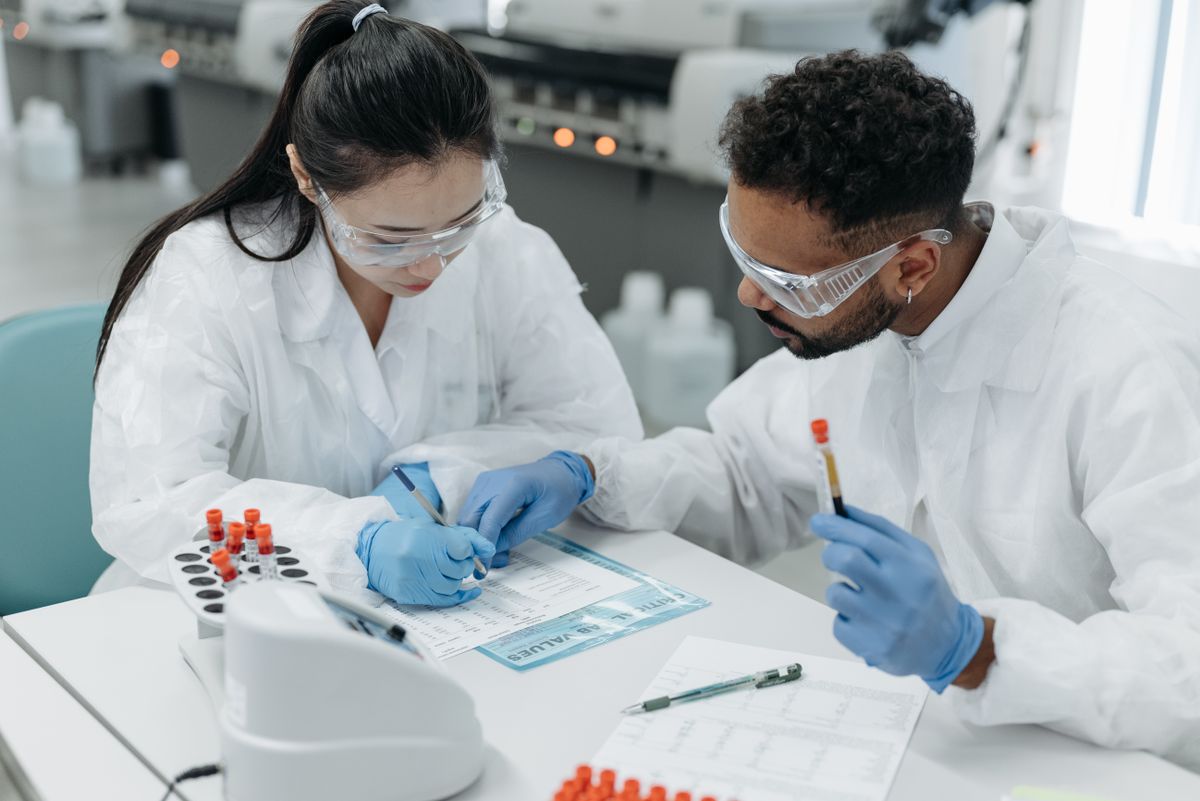
How Research Teams Translate Lab Protocols Across Borders
- November 25, 2026· Article by Taylor Anderson
- Telugu Translation Services
A postdoctoral researcher in Hyderabad receives a lab protocol written in English by a partner team in Warsaw and spends two days unsure whether a buffer should be mixed before or after heating because the sentence was translated word for word and nobody noticed the ambiguity until the first experiment failed and the samples were already gone.
Shared experiments between labs in different countries depend on instructions that mean exactly the same thing in every language and a single mistranslated verb or unit can waste weeks of work and expensive reagents while the teams argue about whose method was at fault and whether the results can still be trusted by reviewers who were not in the room.
Research groups usually treat translation as a last step before sending a document and that habit causes most of the trouble because protocols are living documents that change after every trial and each change needs the same care as the first version so that the translated copy never drifts away from the instructions the original authors had in mind and a clear version history lets any partner confirm which instructions were valid on the day an experiment was run.
A better approach is to agree on a short glossary before the first draft and to keep one reviewer who knows both the science and the target language so that every revision passes through the same hands and every technical term keeps the same equivalent from the opening page to the final appendix and the supplementary tables.
This article explains how research teams can plan protocol translation and choose the right language specialists and keep terminology consistent across several partners and it points to public sources on genomics and biotechnology while remaining general information that does not replace the guidance of a laboratory safety officer or an institutional ethics board.
Plan the Language Before the Experiment
Teams working with partners in southern India often request telugu translation services early in the project because consent forms and safety sheets and participant instructions all need to be ready before the first sample is collected and rushing them later leads to gaps that ethics reviewers notice straight away and that delay approval for weeks.
Good telugu translation services pair a linguist with a subject reviewer who understands laboratory vocabulary and a team that keeps a shared translation memory like the ones described in CAT tools compared can make sure repeated sentences are rendered the same way every time so that reviewers only check what has actually changed since the previous version.
Match the Specialist to the Partner Country
Polish translation services matter for groups that cooperate with universities in Poland because lab manuals from that country often mix Latin terms and local abbreviations and a specialist has to decide which of them to keep and which to explain and the same careful choice applies when a document moves in the other direction toward a Polish reader who expects familiar units.
The romanian language raises a similar question because many Romanian research institutes publish bilingual reports and a translator working into or out of the romanian language must respect both the scientific register and the official spelling that journals expect while hindi translation services and bengali translation services serve teams whose collaborators in South Asia need protocols and safety notes in the language their technicians actually speak at the bench.
Check Sources and Keep Records
Our article on healthcare technology shows how language tools are entering clinical and research settings and the entry on genomics explains why shared datasets make consistent terminology so important for teams that analyse the same sequences in many countries and publish together.
Research also moves quickly through biotechnology so a glossary should be reviewed regularly and the page on biotechnology offers a broad view of the fields where translated protocols are used most often while polish translation services and hindi translation services should follow the same glossary so that no partner receives a version with different terms.
Keep One Glossary for Every Language
After each experiment the team should store the approved translation next to the original and note which terms were changed because this history lets a new colleague understand past decisions and it lets reviewers of telugu translation services or bengali translation services compare versions quickly without reading everything again from the first page.
When a project grows to include the romanian language and the romanian language glossary sits beside the glossary for polish translation services and hindi translation services and bengali translation services the team can see overlaps and avoid inventing three different words for the same instrument or the same reagent and the lab manager gets a single reference sheet that new students can learn from during their first week in the lab.
Teams that plan their languages early and keep one glossary for every partner finish experiments with fewer surprises and the same attention applies to telugu translation services as to any other language in the project and every new partner should receive the glossary together with the protocol because a clear protocol is the cheapest insurance a laboratory can buy against failed runs and wasted samples.